Introduction
Cervical spondylosis is a common condition that affects the neck. It happens when the bones and discs in your neck wear down over time. In fact, many people over age 60 have some signs of cervical spondylosis, even if they do not feel pain. Because it is so common, understanding cervical spondylosis can help you manage neck pain and stay healthy. This blog will explain the causes, symptoms, diagnosis, and treatment for cervical spondylosis. We will also share tips on how to prevent cervical spondylosis and when to see a doctor.
Causes and Risk Factors
Cervical spondylosis develops as the neck ages. Over time, the discs between the bones in your neck lose water and become less flexible. As a result, the bones may rub together or form small growths called bone spurs. These changes can press on nerves and cause pain. However, not everyone with these changes will have symptoms.
Because these factors add up over time, it is important to protect your neck early.
Common Symptoms
Many people with cervical spondylosis do not notice any symptoms. Yet, some may feel pain or stiffness in the neck. For example, you might feel pain that gets worse with movement. Other symptoms can include:
Because these symptoms can be caused by other problems, it is important to get a proper diagnosis.
Diagnosis Methods
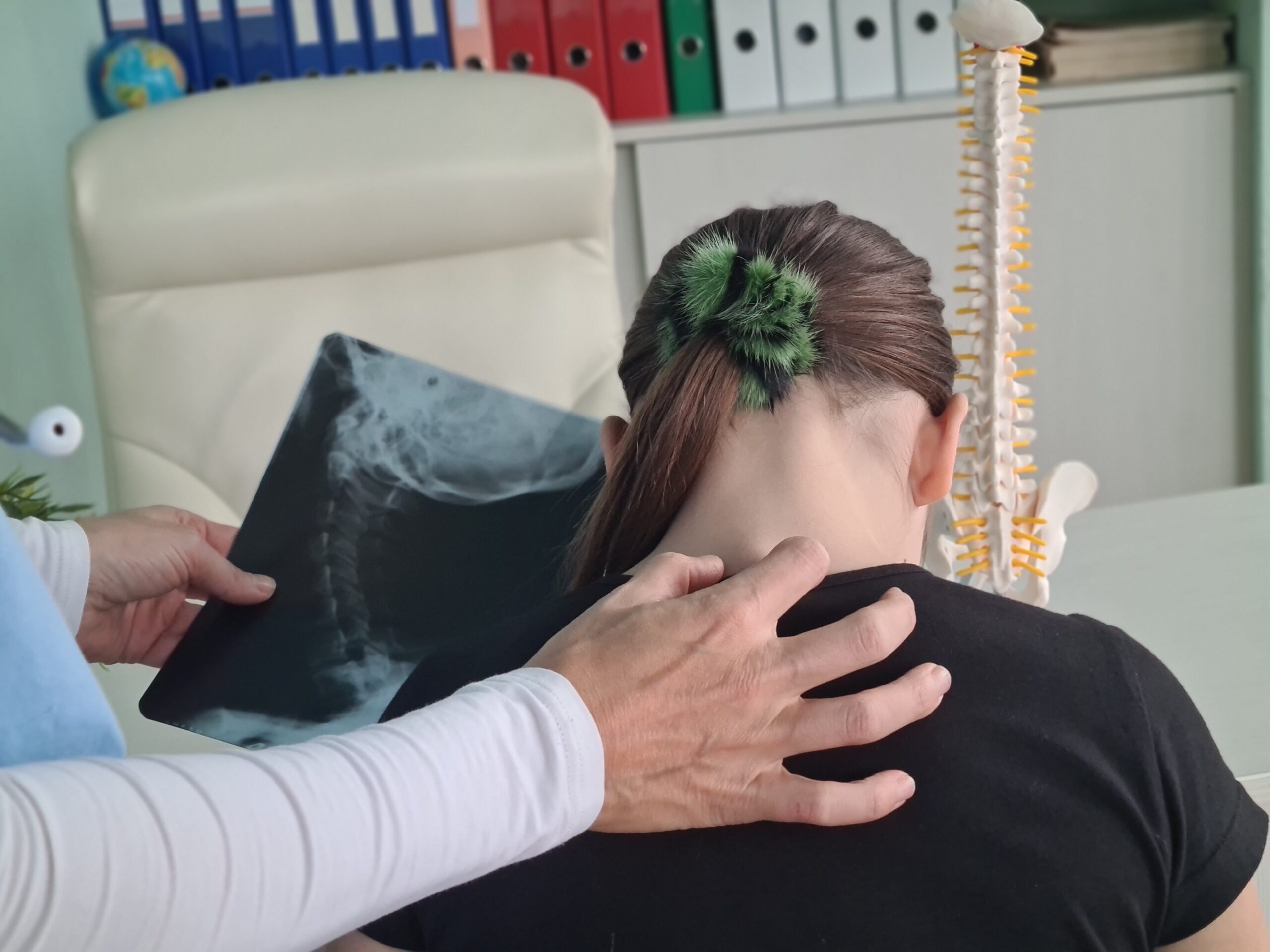
Doctors use several methods to diagnose cervical spondylosis. First, your doctor will ask about your symptoms and medical history. Next, they will examine your neck, arms, and legs. They may check your strength, reflexes, and movement. If needed, your doctor may order tests such as:
Because early diagnosis helps prevent problems, see your doctor if you have ongoing neck pain.
Treatment Options
Treatment for cervical spondylosis depends on your symptoms. Most people improve with simple steps. However, some may need more advanced care. Common treatments include:
In rare cases, surgery may be needed. For example, if you have severe nerve pressure or weakness, your doctor may suggest surgery to remove bone spurs or discs. According to the World Health Organization, most people do not need surgery and get better with non-surgical care.
Lifestyle Tips and Prevention
While you cannot stop aging, you can lower your risk of cervical spondylosis. Here are some tips to protect your neck and prevent neck pain causes:
Because small changes can make a big difference, try to add these habits to your daily routine.
When to See a Doctor
Although mild neck pain is common, you should see a doctor if:
Because early treatment can prevent serious problems, do not ignore these signs. Your doctor can help find the best treatment for cervical spondylosis.
Conclusion
Cervical spondylosis is a common cause of neck pain, especially as we age. However, with the right care and lifestyle changes, most people can manage their symptoms. If you have ongoing neck pain or other symptoms, consult Chaya Devi at Suncoast Hospital for personalized advice on cervical spondylosis.